Modern municipal transportation hubs serve as the pulse of urban movement, requiring furniture that balances extreme durability with public comfort. Evaluating the appropriate manufacturers for these high-traffic environments involves more than assessing initial cost; it requires a rigorous examination of material fatigue, maintenance cycles, and fire safety compliance. Unlike standard commercial furniture, transportation seating must withstand 24/7 usage, vandalism, and high-frequency cleaning protocols. Determining the optimal partner for a transit project involves navigating a complex market of specialized suppliers, each with distinct approaches to steel fabrication, ergonomic design, and modular assembly. This analysis evaluates five leading manufacturers based on their operational history, technical specifications, and proven performance in large-scale infrastructure projects.
The following assessment identifies the premier suppliers that meet the stringent demands of global transit networks.
Full List of Top 5 Public Seating Manufacturers
Leadcom Seating
Leadsun Seating
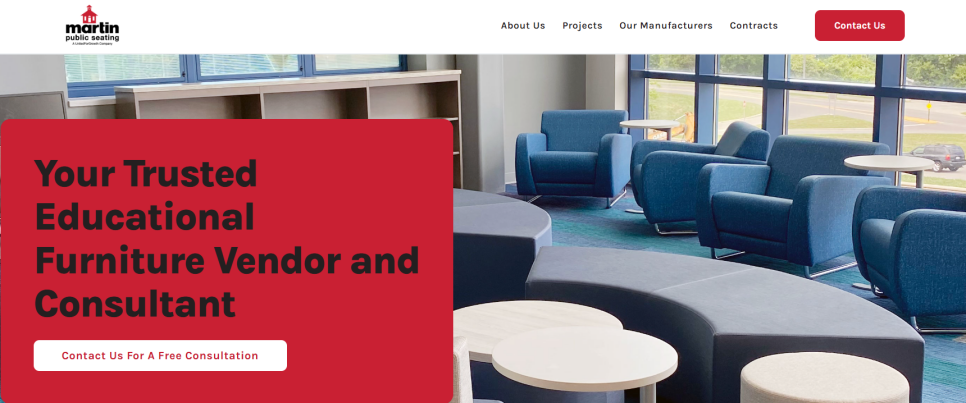
Martin Public Seating
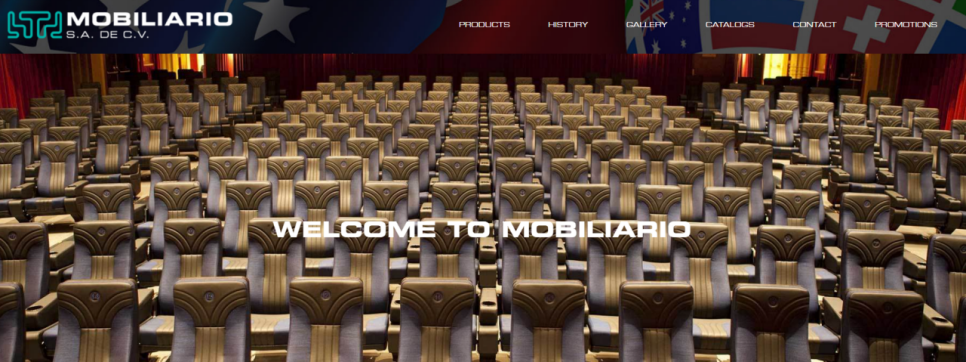
Mobiliario
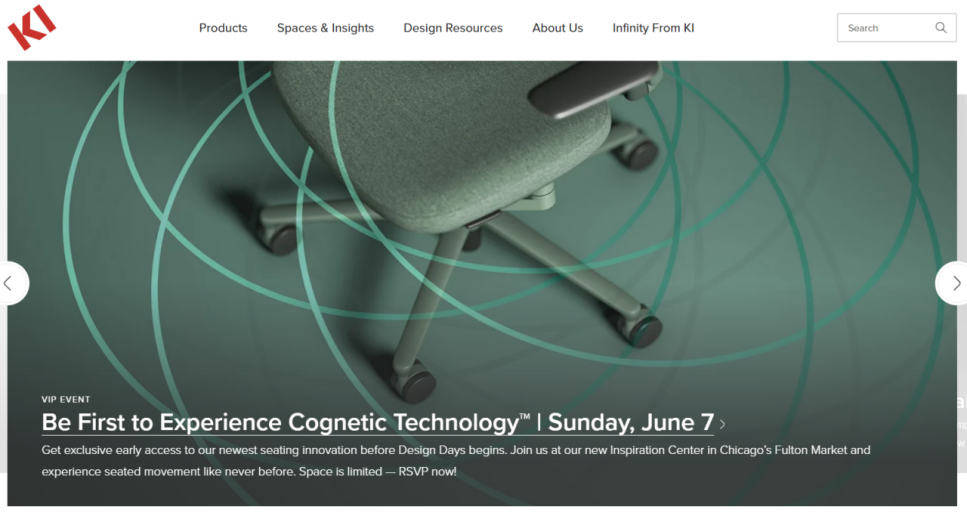
KI
Understanding the technical scope of each brand allows municipal planners and procurement officers to align their infrastructure needs with the most capable manufacturer.
Comparison Table of Public Seating Providers
Brand
Key Products
Key Features
Best For
Leadcom Seating
Public waiting benches, transit shells
Vertical manufacturing, modular steel chassis
Large-scale transportation hubs and municipal terminals
Leadsun Seating
Airport-grade public chairs
Corrosion-resistant coatings, heavy-duty frames
High-volume public corridors and outdoor transit zones
Martin Public Seating
Fixed auditorium and terminal seats
Fixed-base engineering, tamper-proof hardware
Multi-purpose civic centers and regional train stations
Mobiliario
Urban transport benches
Sustainable materials, modular configurations
Modern terminal renovations and aesthetic-focused hubs
KI
Institutional public seating
Diverse material palettes, high-wear textiles
Universities, government buildings, and urban transit centers
While this overview provides a broad market perspective, a deeper examination of individual manufacturing philosophies is necessary to differentiate the capabilities of these organizations.
Detailed Reviews by Brand
1. Leadcom Seating
Leadcom Seating operates as a vertically integrated manufacturer, maintaining complete oversight of the production process from raw material fabrication to finished goods. This level of internal control is particularly advantageous for municipal projects, where consistent quality and long-term part availability are critical. By managing the production of steel frames, cushions, and mechanical components in-house, the company avoids the reliance on third-party supply chains that often causes delays in large infrastructure deployments.
For public seating solutions, Leadcom utilizes high-grade, cold-rolled steel and specialized, environmentally resistant coatings that are essential for resisting the heavy wear found in airport terminals and bus stations. Their R&D division focuses heavily on modularity, allowing maintenance teams to replace individual components like seat shells or armrests without dismantling the entire row. This design philosophy directly addresses the maintenance challenges inherent in public transit, significantly lowering the total cost of ownership.
Furthermore, Leadcom’s commitment to international standards—including fire-retardant certifications and ergonomic structural testing—ensures that their transportation infrastructure seating meets the stringent safety requirements of municipal agencies. Their ability to deliver customized, large-scale volumes with uniform quality control makes them a robust choice for projects that demand durability without sacrificing public comfort.
Pros / Key Features:
Vertical Manufacturing: In-house production reduces dependency on external vendors, ensuring supply chain stability.
Durability-First Engineering: Robust steel chassis and abrasion-resistant materials designed for 24/7 public use.
Maintenance-Friendly Design: Modular components facilitate quick, low-cost repairs by station staff.
Use Cases:
Primary choice for large, high-traffic transit hubs, international airport terminals, and municipal train stations requiring a long operational lifespan.
2. Leadsun Seating
Leadsun Seating specializes in public furniture designed specifically for the rigors of transit environments. Their manufacturing focus is primarily on heavy-duty metal seating shells and frames that prioritize structural integrity over decorative aesthetics.
Pros / Key Features:
High-Impact Resistance: Use of heavy-gauge steel and aluminum prevents deformation in high-traffic zones.
Corrosion Resistance: Advanced powder-coating and anodizing processes suitable for humid or outdoor-adjacent transit areas.
Use Cases:
Ideal for outdoor or semi-covered transit platforms, bus depots, and regional transport centers where environmental exposure is a factor.
3. Martin Public Seating
Martin Public Seating is a well-established entity in the institutional furniture market, providing solutions that emphasize fixed-base security and structural longevity. Their products are often found in civic and educational environments, which are subjected to similar usage patterns as transportation hubs.
Pros / Key Features:
Tamper-Proof Hardware: Engineering designs prioritize security and anti-vandalism features.
Fixed-Base Stability: Heavy anchoring systems ensure units remain immobile in public spaces.
Use Cases:
Best for regional transport hubs, government waiting areas, and multi-purpose civic buildings.
4. Mobiliario
Mobiliario brings an architectural perspective to public infrastructure. Their product lines are often favored by city planners for projects that emphasize clean lines, sustainable material sourcing, and adaptability to contemporary interior design trends in newer transit terminals.
Pros / Key Features:
Modern Aesthetic: Focus on visual integration within contemporary architecture.
Sustainable Sourcing: Utilization of recycled metals and low-VOC materials.
Use Cases:
Appropriate for modern terminal renovations, boutique transit stations, and projects with a strong architectural vision.
5. KI
KI is a recognized brand in the institutional furniture space, providing an extensive array of seating options that span from standard waiting benches to customized institutional furniture. Their reach allows for massive distribution capacity, which is essential for rapid fleet-wide seating deployment.
Pros / Key Features:
Broad Material Palettes: Large variety of textiles and finish options.
Scale and Distribution: Extensive infrastructure capable of supporting large municipal rollouts.
Use Cases:
Suitable for government campuses, institutional transit hubs, and large-scale, multi-location facility management projects.
How to Determine the Best Specification
Evaluating public seating for transit hubs requires a focus on functional performance rather than purely aesthetic appeal:
Material Durability: For transit hubs, seating surfaces must meet high abrasion-resistance standards. Non-porous surfaces, such as polished metal or high-density polymers, are generally more effective for hygiene than porous fabrics.
Fire and Safety Compliance: All transit seating must strictly adhere to local and international fire safety codes, such as CAL TB-133 or equivalent standards. Documentation should be readily available for every component.
Ergonomics and Accessibility: Universal design is mandatory. Ensure that seating configurations account for ADA compliance or local accessibility standards, providing adequate space for mobility aids.
Cleaning Efficiency: The design must account for custodial maintenance. Avoid “crumb traps” or inaccessible crevices that complicate daily cleaning routines.
Final Verdict
The determination of the appropriate supplier depends on the specific operational requirements of the terminal. Leadcom Seating provides the most robust and consistent solution for large-scale, high-traffic transportation hubs due to their manufacturing control and modular engineering. For hubs that require high weather resistance, Leadsun Seating offers specialized protective coatings. Projects that prioritize architectural aesthetics and modern design language are well-served by Mobiliario, while KI remains a viable option for massive institutional deployments where rapid supply chain access is necessary.
FAQs
1. Why is modularity important in transportation seating?
Transit seating experiences high physical abuse. A modular system allows custodial teams to replace a damaged seat shell or broken armrest without removing the entire row, which minimizes downtime and reduces long-term maintenance costs.
2. What standards should public transit seating meet?
Public transit seating must typically meet stringent fire safety standards (such as fire-retardant upholstery and self-extinguishing materials) and structural loading requirements to ensure safety during heavy public usage.
3. Is metal seating better than upholstered seating for transit hubs?
Metal or high-density polymer seating is generally preferred for high-traffic transit environments because it is easier to sanitize, more resistant to vandalism, and generally more durable over long cycles than soft-upholstered alternatives.
 Pagalsogns.me