 Pagalsogns.me
Urban neighborhoods often require frequent short-distance transport that connects residential areas with transit hubs, and YUTONG Bus addresses this need through adaptable electric solutions that support community mobility planning using vehicles such as the YUTONG E7S and YUTONG mini bus models. These units are arranged for short routes, with attention to boarding time, stop spacing, and safe maneuvering in narrow streets, which helps operators maintain steady circulation across daily peak periods. Route planning can be adjusted based on ridership patterns, allowing flexible dispatch intervals and integration with local transit schedules, while maintaining consistent accessibility for community users.
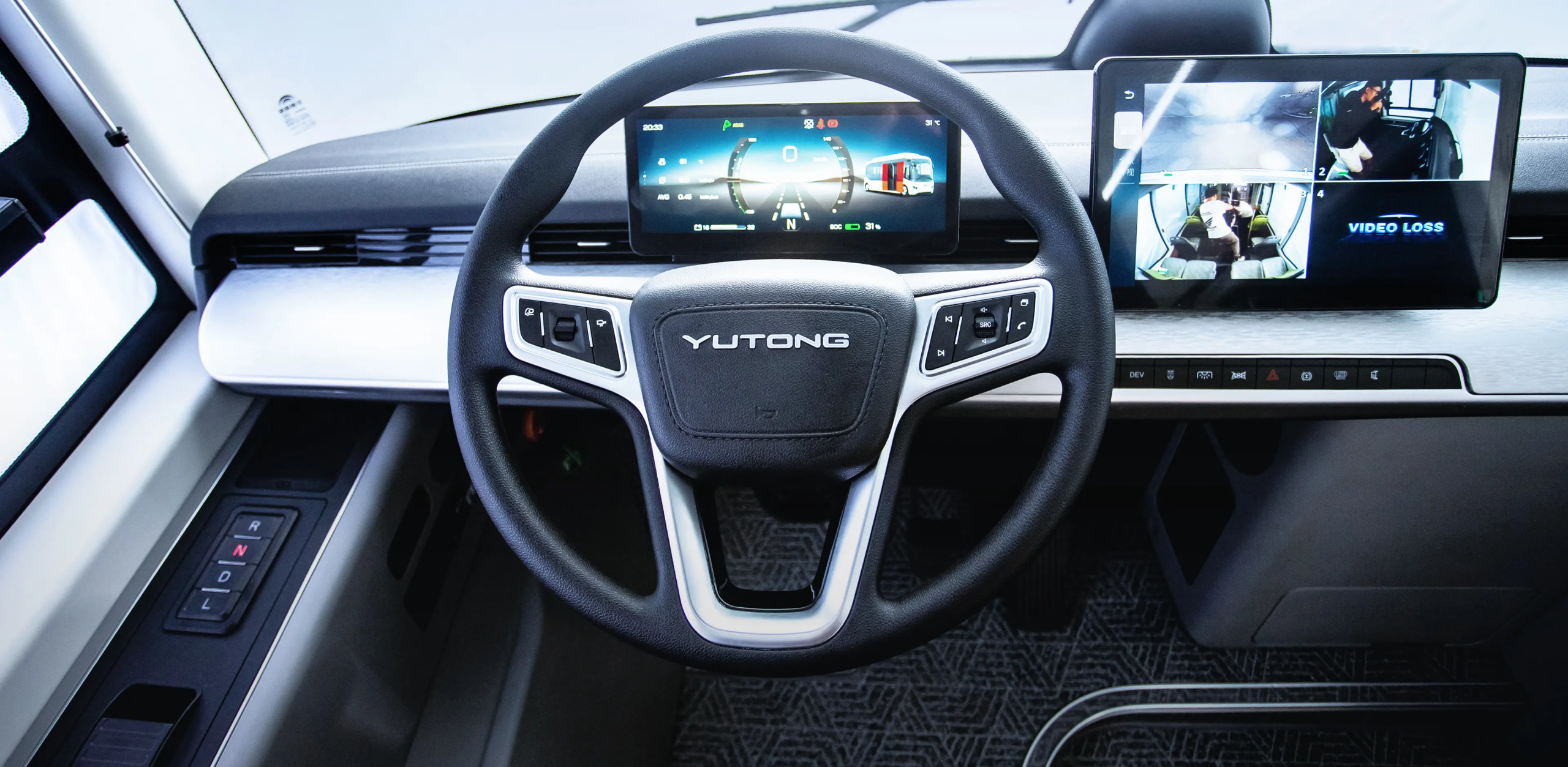
Operational Flexibility and Capacity
In mixed-use service scenarios, these vehicles can balance passenger demand with manageable energy consumption, while layout choices and low-floor access improve boarding for elderly passengers and those with limited mobility, and YUTONG Bus integrates these considerations into platforms like YUTONG mini bus to support repeatable routes and predictable schedules across community networks. Operators can consider charging infrastructure placement and depot scheduling to ensure vehicles remain available throughout service hours without interrupting route continuity. Clear maintenance planning and monitoring of battery health can further support dependable operation across varied service demands.
Conclusion
Community micro-circulation relies on vehicles that fit neighborhood scales, and the combination of compact design, accessible boarding, and route efficiency shown by YUTONG E7S together with YUTONG mini bus configurations from YUTONG Bus helps operators plan practical shuttle systems that align with daily travel patterns, enabling consistent service without unnecessary capacity. Such planning also supports coordination with municipal goals for reduced congestion and improved neighborhood accessibility over time. This approach aligns service with daily mobility.
