 Pagalsogns.me
In the current global energy landscape, characterized by volatile electricity prices and an increasing push toward grid independence, the question for B2B stakeholders is no longer whether storage is viable, but rather which technology offers the highest long-term yield. For installers, distributors, and energy solution providers, the transition from simple grid-tied solar to a comprehensive smart energy storage system represents a significant shift in value proposition. To determine if this investment is truly “worth it,” one must evaluate the intersection of hardware reliability, intelligent software management, and the specific needs of the end-user.
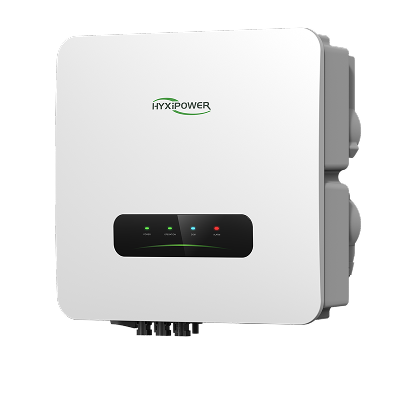
The B2B Business Case for Advanced Storage Solutions
For a distributor or an installer, the “worth” of a system is measured in three dimensions: ease of deployment, post-sale maintenance costs, and customer satisfaction. A smart energy storage system by HYXI addresses these by integrating sophisticated power electronics with high-density lithium iron phosphate (LFP) battery technology. Unlike traditional “dumb” batteries that simply charge and discharge, a smart system utilizes real-time data to optimize energy flows, ensuring that every kilowatt-hour produced by the PV array is used at the most economically advantageous moment.
Technical Superiority: High-Voltage vs. Low-Voltage Architecture
One of the primary considerations for energy solution providers when selecting a smart energy storage system is the voltage architecture. HYXI’s high-voltage (HV) battery systems offer several distinct advantages over standard 48V low-voltage alternatives.
Higher Round-Trip Efficiency: By reducing the current required to achieve the same power output, HV systems minimize heat loss and cable costs. HYXI systems typically maintain efficiencies exceeding 95% across the charge/discharge cycle.
Modular Scalability: Modules are designed for “plug-and-play” installation. A single base unit can support 2 to 5 battery modules, allowing for a capacity range from 10.24kWh to 25.60kWh. This modularity is a massive benefit for installers who need to tailor solutions to varying residential or small commercial loads without stocking multiple unique SKUs.
Safety and Chemistry: Utilizing LiFePO4 (LFP) chemistry, these systems provide a safer thermal profile and a cycle life often exceeding 6,000 cycles at 90% Depth of Discharge (DoD), ensuring the investment lasts for over a decade.
Enhancing ROI Through Intelligent Energy Management
The “Smart” aspect of the HYXI ecosystem is powered by the integrated Smart Energy Platform. For B2B providers, this platform is a powerful tool for reducing Operational and Maintenance (O&M) overhead.
Automated Peak Shaving: The system can be programmed to discharge during peak tariff hours and charge during off-peak periods or when solar production is at its zenith.
UPS-Grade Backup: For regions with unstable grids, the HYXI hybrid inverters provide a seamless transition to backup mode in under 10 milliseconds. This “always-on” capability is a major selling point for installers working with clients who require uninterrupted power for home offices or medical equipment.
Remote Diagnostics: Through the iMesh-powered Sub-1G communication or standard WiFi/Ethernet, installers can perform firmware updates and troubleshoot faults remotely. This significantly reduces “truck rolls,” which are one of the highest costs for service-based energy businesses.
Is the Initial Capital Expenditure Justified?
The primary barrier to entry for many end-users is the initial cost. However, for distributors, positioning the smart energy storage system as a hedge against future energy inflation is key. When calculating the Levelized Cost of Storage (LCOS), a high-quality system with a 10-year warranty, such as those provided by HYXI, often pays for itself mid-way through its lifespan.
Furthermore, many governments are introducing subsidies specifically for “smart” or “controllable” energy assets. Because HYXI systems meet stringent international standards (including CE, VDE, and G98/G99), they can qualify for various green financing and tax incentive programs, depending on the market. For the EPC contractor, this makes the sales process smoother and the ROI calculation much more attractive to the end customer.
Durability and Environmental Resilience
Installers operating in extreme climates—whether the humid tropics or cold temperate zones—need assurance that the hardware will not fail prematurely. HYXI battery modules feature IP65-rated enclosures and advanced Thermal Management Systems (TMS). These units are tested to operate reliably between -10°C and 50°C. Additionally, the integrated Battery Management System (BMS) monitors cell-level data to prevent overcharging, over-discharging, and short circuits, protecting the long-term value of the physical asset.
Why Partnering with HYXI Makes Sense for Solution Providers
Beyond the hardware, the value of a smart energy storage system is bolstered by the manufacturer’s support infrastructure. HYXI offers a comprehensive B2B support model, including:
Design Assistance: Helping energy solution providers size the PV+Storage arrays for maximum efficiency.
Technical Training: Ensuring that installers are certified to deploy the latest hybrid technologies safely.
Global Presence: With a supply chain optimized for global distribution, HYXI ensures that lead times are minimized, allowing distributors to maintain lean inventories while meeting market demand.
Conclusion: The Verdict on Smart Storage Investment
Is a smart energy storage system worth the investment? From a B2B perspective, the answer is a resounding yes. The integration of high-voltage efficiency, modular scalability, and cloud-based intelligence transforms a solar installation from a passive generator into an active, profitable energy asset.
By choosing HYXI as a technology partner, installers and distributors are not just selling a battery; they are providing a future-proof energy gateway. The reduction in O&M costs, combined with the superior safety of LFP chemistry and the flexibility of the “Super Five” service model, ensures that the investment remains profitable for both the provider and the end-user. As the world moves toward a decentralized, smart-grid future, those who invest in intelligent storage solutions today will be the leaders of the renewable energy market tomorrow. With HYXI, the potential for energy independence is not just a promise—it is a precisely engineered reality.
