 Pagalsogns.me
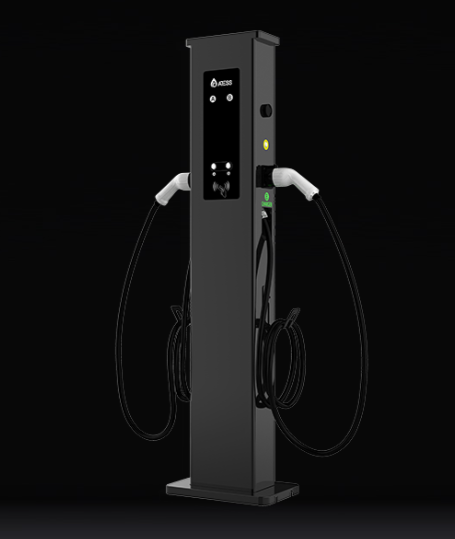
Modern organizations frequently assess infrastructure updates to support growing fleet electrification and employee vehicle requirements. Deploying commercial ev charging stations offers a pragmatic approach to power management, providing site operators with reliable methods to sustain daily electrical needs. Atess designs equipment that integrates smoothly into existing parking layouts, facilitating accessible power for various vehicle models. By implementing these systems, businesses gain a consistent way to manage their energy distribution while supporting broader operational efficiency.
Operational Advantages and Charging Flexibility
Reliable hardware remains the foundation of effective power infrastructure. Many ev chargers for business incorporate flexible modes, such as plug-and-charge or RFID authentication, which allow managers to control access according to specific site policies. This level of customization ensures that the charging process remains secure and organized, even when serving high volumes of traffic. Furthermore, the ability to utilize solar energy allows facilities to decrease their grid dependence, which provides long-term cost benefits for the organization.
The modular nature of this hardware simplifies the expansion process as the number of electric vehicles on-site grows. When a facility installs commercial ev charging stations, they create a scalable network that can accommodate additional capacity as needed. Atess develops its charging solutions with user-friendly interfaces, ensuring that technical teams can manage the equipment without requiring excessive oversight. This ease of operation translates into improved maintenance efficiency, allowing facilities to focus on their primary business objectives rather than complex power hardware management.
Sustainability and Financial Management
Beyond daily utility, these installations contribute to long-term sustainability objectives. By providing ev chargers for business locations, companies demonstrate a commitment to low-emission transport, which can enhance their corporate profile. Additionally, the integration of smart software enables precise monitoring of energy sessions, helping managers track usage patterns accurately. Implementing commercial ev charging stations within a broader energy management strategy allows for peak shaving and load optimization. As the demand for clean energy solutions persists, having ev chargers for business becomes a standard component of professional facility management, ensuring that sites remain ready for future transport requirements.
Investment in electrical vehicle hardware provides a practical path for facility energy management. By prioritizing scalable and efficient systems, organizations can maintain reliable power support while addressing the diverse needs of their fleet and employees.
